


PLA Fiber
| Classification: | Specification | Application |
| PLA Super Short Cut Staple | Titer: 0.9Denier-6Denier, Length: 3/6/12mm | Wet process paper making, flocking, etc |
| PLA Staple | Titer: 1Denier-6Denier, Length: 6~64mm | Yarn/non-woven fabric, etc |
| PLA Bi-component Staple | Titer: 1.5Denier-5Denier, Length: 6~64mm | Non-woven fabrics/thermal bonding/fillers, etc |
| PLA three-dimensional crimped staple | Titer: 1.5Denier-5Denier, Length: 38/51/64mm | Fillers for clothing, home textiles, toys, etc |
| PLA filament | POY,DTY,FDY,PLA Monofilament | Weaving clothes/silk bundles/tea bags |
DESCRIPTION
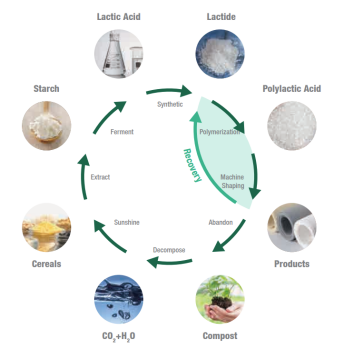
As the concept of environmental protection takes root in people’s hearts, biodegradable materials have gradually become the hotspot of China’s new material industry. PLA fiber, as a kind of biobased and biodegradable polymer material, has been widely used in many fields due to its unique performance and environmental protection advantages.
PLA fiber, fully known as polylactic acid fiber, is a biodegradable polymer material made from renewable resources (e.g. corn, sugar cane, etc.) through bio-fermentation and polymerization.PLA fiber has good biocompatibility, mechanical properties and degradation properties, and is an ideal environmentally friendly material.
Application fields:
- Medical devices
PLA fiber has good biocompatibility and degradation properties, can be used to produce surgical sutures, fracture fixation materials and other medical devices. These products are gradually degraded in the body, without the need for secondary surgery to remove, reducing the pain of patients.
- Biodegradable materials
PLA fibers can be made into biodegradable plastics, which are used in packaging, tableware, agricultural land film and other fields. These products are degradable in the natural environment, reducing the problem of white pollution.
- Packaging materials
Packaging materials made of PLA fibers have good barrier properties and degradation properties, and can be used in food, medicine and other packaging areas. These packaging materials will not produce harmful substances in the degradation process, ensuring the safety and environmental protection of the products.
- Textiles
PLA fiber can be made into textiles, such as clothing, home textiles, industrial fabrics and so on. These products have excellent comfort and environmental performance, gradually favored by consumers.
FEATURE
- Biodegradability
PLA fiber can be decomposed into water and carbon dioxide by microorganisms in a short time in the natural environment, which will not cause pollution to the environment. Compared with traditional petroleum-based synthetic fibers, PLA fiber has significant environmental advantages.
- Good mechanical properties
PLA fiber has high strength and modulus, with good mechanical properties such as tensile, compression and bending resistance. In many application scenarios, PLA fiber can replace traditional synthetic fibers.
- Good biocompatibility
PLA fiber has good biocompatibility, no toxic side effects on the human body, can be used in medical equipment, textiles and other areas of direct contact with the human body.
- Good processing performance
PLA fiber has good processing performance, can be produced by melt spinning, solution spinning and other methods. At the same time, PLA fiber can be blended with other fibers to meet the needs of different applications.
- Diversified application areas
PLA fiber can be used in many fields, such as medical devices, biodegradable materials, packaging materials, textiles, etc., with a wide range of market prospects.
Q & A
What are the best-selling sizes?
3mm, 6mm, 12mmWhat are the advantages compare to other suppliers?
Superior Strength and Durability Improved Softness and Drape Strong business team save your time and energy Bulk Cost Advantage Fast deliveryIs PLA fiber biodegradable?
Yes, PLA fiber is industrially compostable (breaks down in 3–6 months at 50–60°C commercial compost environment). In natural conditions, degradation is slower (1+ years).What are PLA fibers used for?
Common applications include clothing, tea bags, medical sutures, and hygiene products (like wipes). It’s also blended with cotton for eco-friendly textiles.How does PLA fiber compare to polyester?
PLA is softer, more breathable, and eco-friendly but less durable (loses strength above 60°C). Polyester is stronger but non-biodegradable.Can PLA fiber be recycled?
Technically yes, but specialized facilities are needed. Most curbside recycling rejects it—composting is the preferred end-of-life option.Does PLA fiber melt when washed or ironed?
Yes! PLA fibers deform at 60–70°C. Hand wash in cold water or use low-heat settings; avoid ironing.Is PLA fiber safe for sensitive skin?
Yes, PLA is hypoallergenic and non-toxic (unlike synthetic dyes in polyester). Ideal for baby clothing or medical textiles.
RELATED PRODUCTS
Related products
Let’s Talk
Compostable
Packaging
Tell us your requirements - our specialists will reply with pricing and samples within 12 hours.