
About Compostable Cups
Fully compostable cups are made of biomaterials and plant raw materials, which completely decompose into water and carbon dioxide under industrial composting conditions.
Our cups have strictly passed the EN13432/ASTM D6400 international degradation certification, with no micro-plastic residues throughout the whole process from raw materials to waste.
Looking For Compostable Cups?
There are a variety of composatble cups to choose from, including different materials and different styles.
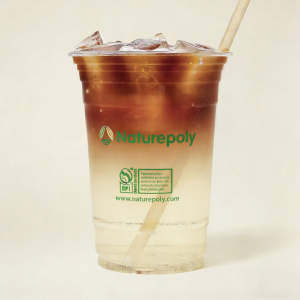
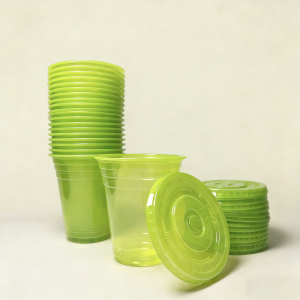
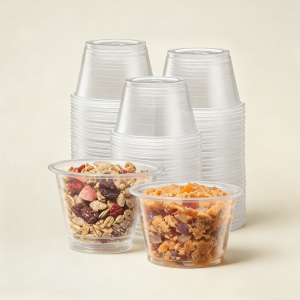
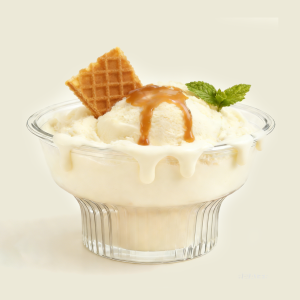
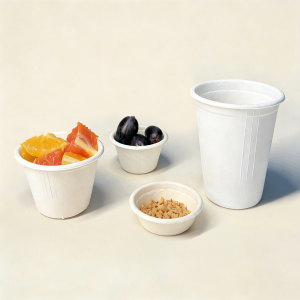
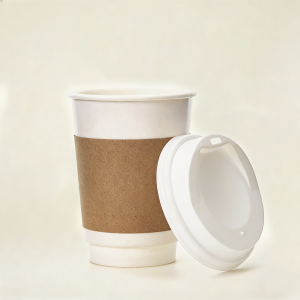
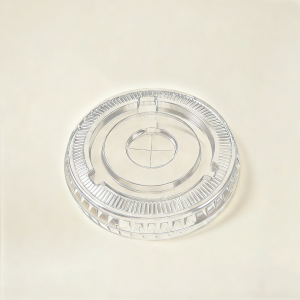
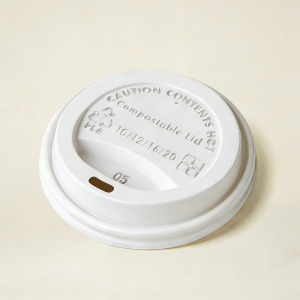
Advantages of Compostable Cups
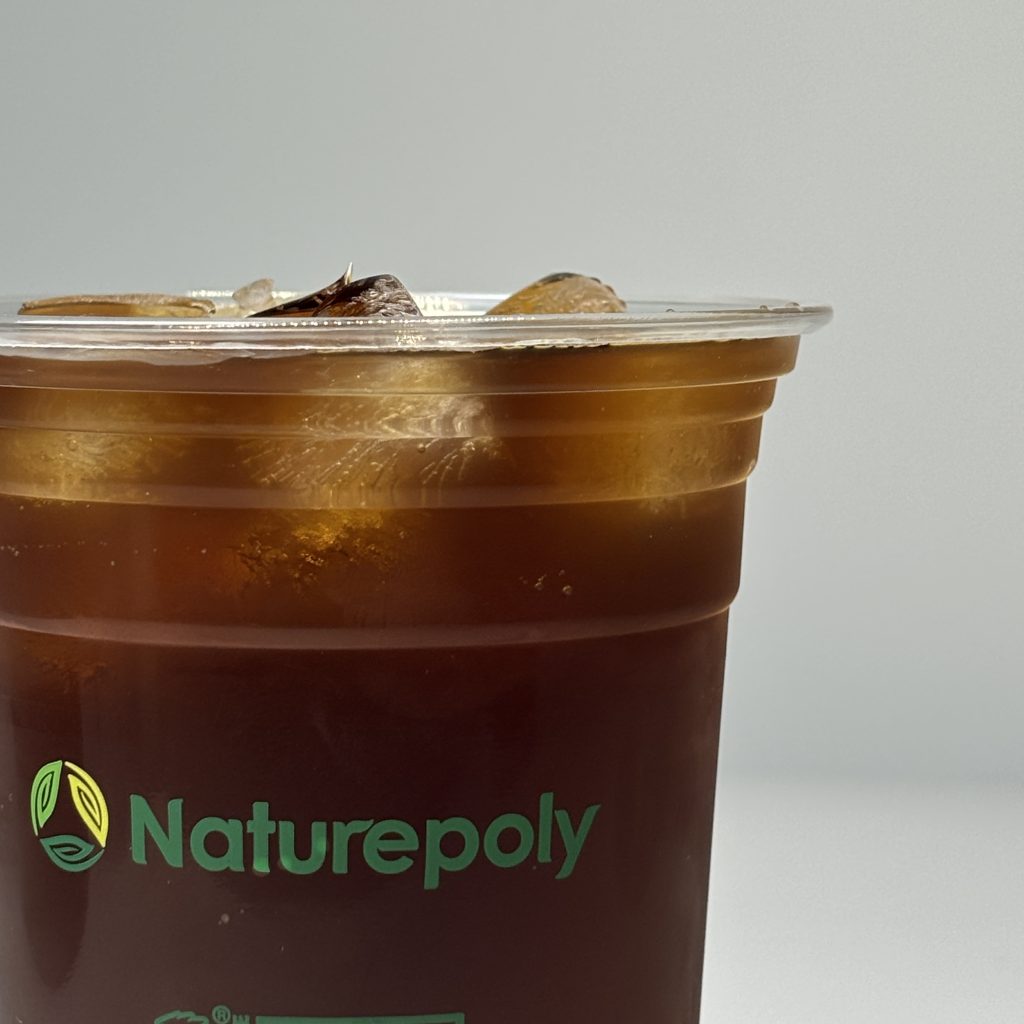
- BPI Certified Compostable
Compostable degradation tests with international approvals (e.g. EN13432, ASTM D6400).
- FDA Compliant Food Safe
BPA free, PFAS free and other harmful substances free.
- Excellent Durability
As same as plasic cups,
- Flexibility in Customisation
A wide range of customisation options such as size, colour, logo printing, etc. are available.
Comparison of Materials
Comparison of fully compostable materials and ordinary plastics to let you know more about our products.
| Factor | Compostable Cups | Plastic Cups |
|---|---|---|
| Material | Made from PLA (cornstarch), sugarcane fiber, or paper with plant-based linings. | Made from petroleum-based plastics (PP, PS). |
| Decomposition | Break down into water, CO₂, and organic matter in 3–6 months (industrial composting). | Take 500+ years to degrade, turning into microplastics. |
| Carbon Footprint | Carbon-neutral or negative (plants absorb CO₂ during growth). | High carbon emissions from oil extraction & manufacturing. |
| End-of-Life | Fully compostable (BPI/EN13432 certified). | Often end up in landfills/oceans, harming wildlife. |
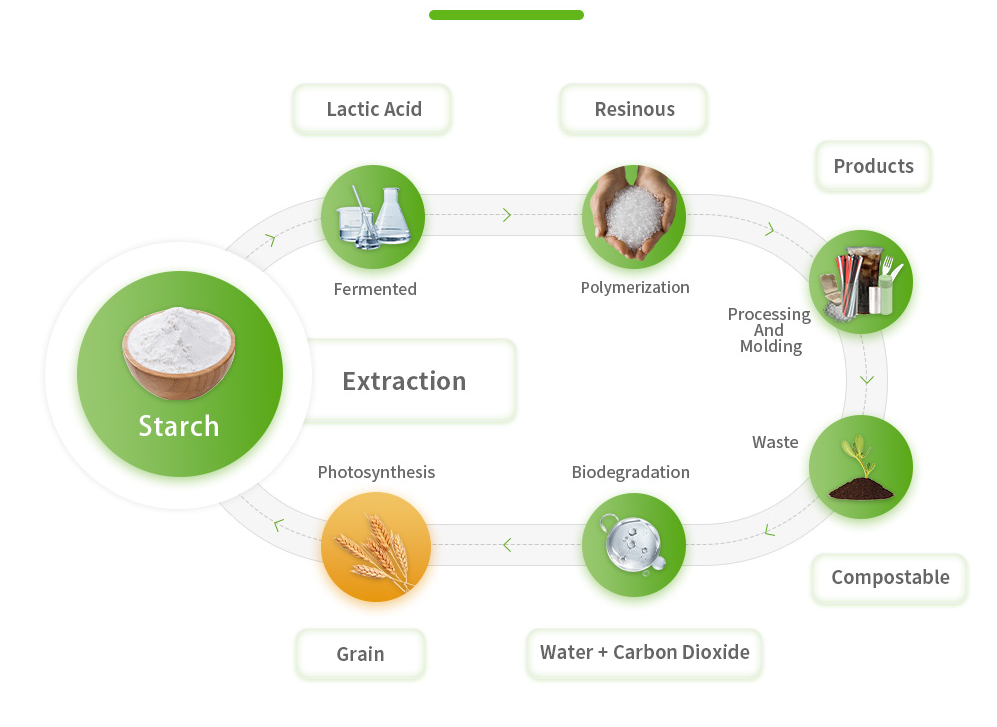
Life Cycle of Compostable Cups
Compostable cups do not produce microplastics or other harmful substances from the beginning of the raw material to the completion of degradation. From nature, to nature.
Customizations
Provide a wide range of customised services to meet the diverse needs of customers.
Size
Color and Printing
Packing and Quantity
Shape
What Brands did?
Similar PLA cold cups and PLA coated paper cup used by these brands

Products: PLA Coated Paper Cups (Cold Drink Cups)
Region: Europe, Korea Outlets
Highlights:
In order to comply with the EU’s SUP ban (Single-Use Plastics Directive), we are gradually replacing plastic cups with PLA coated cups in our European shops.
The lids are also made of PLA or sugarcane fibre.
Products: PLA Sauce Cups (Ketchup, Sweet Chilli Sauce)
Region: UK, France
Highlights:
Replacement of traditional plastic sauce cups with PLA in European shops from 2023, reducing approximately 1,200 tonnes of plastic per year
Product: PLA Transparent Salad Container, Dressing Cups
Highlights:
Suppliers are required to use BPI certified PLA packaging, which complies with the plastic ban in some US states (e.g. California SB-270)
‘1 PLA cup has a 67% lower carbon footprint than a plastic cup (source: Nature Journal, 2022)’
‘PLA degrades 200 times faster than PET under industrial composting conditions’
Common Questions
Can PLA cups hold hot liquids?
The heat resistance of PLA is usually ≤50°C, above which it may be deformed. For hotter beverages, choose PLA-lined paper cups with double-wall insulation.Are PLA lined paper cups recyclable?
No, PLA-lined cups cannot be recycled with regular paper cups. The PLA coating requires industrial composting (EN13432 standards). Dispose of them in compost bins or specialized facilities.What conditions do PLA cups need to decompose?
PLA cups only decompose under industrial composting: Temperature: 50-60°C Humidity: Controlled moisture Microorganisms: Specific enzymes Home composting typically fails due to insufficient heat.Is PLA lined paper cup better than PE lined?
Yes! PLA lining is 100% compostable (turns into CO₂ + water), while PE lining is non-degradable and contaminates paper recycling. However, PLA requires industrial composting facilities.
Global Government Policies on Compostable Cups
1. European Union (EU)
Policy: The Single-Use Plastics Directive (SUPD, 2019/904) bans certain single-use plastic products, promoting compostable alternatives.
Requirements: Compostable cups must meet EN 13432 (industrial compostability) and display certification (e.g., “OK Compost”).
Exceptions: Only allowed for specific applications (e.g., tea bags, coffee pods).
2. United States
Federal Policy: No nationwide ban, but states like California (SB 54) mandate 100% compostable or recyclable packaging by 2032.
Certification: ASTM D6400 (industrial compostability) or BPI certification required.
Local Bans: Cities like Seattle prohibit non-compostable foodservice items.
3. Canada
Policy: Single-Use Plastics Prohibition Regulations (2022) ban plastic cups, encouraging compostable alternatives.
Standards: Must comply with CAN/BNQ 0017-088 (compostability) or ASTM D6400.
4. Australia & New Zealand
Policy: National Packaging Targets (2025) require 100% reusable, recyclable, or compostable packaging.
Certification: AS 4736 (industrial) or AS 5810 (home compostable).
5. China
Policy: Plastic Pollution Control Plan (2020) phases out non-degradable single-use plastics in major cities by 2025.
Standards: GB/T 38082-2019 (degradability) or EN 13432-equivalent.
6. India
Policy: Plastic Waste Management Rules (2022) ban single-use plastics; compostable cups exempt if certified.
Certification: ISO 17088 (compostability) required.
7. Japan & South Korea
Japan: Encourages biodegradable alternatives under Resource Circulation Strategy (2021) but lacks strict bans.
South Korea: Act on Promotion of Saving and Recycling of Resources mandates compostable packaging for foodservice.