
About Compostable Film
Fully compostable film are made of biomaterials and plant raw materials, which completely decompose into water and carbon dioxide in 3-6 months under industrial composting conditions.
Our compostable film rolls have strictly passed the EN13432/ASTM D6400 international degradation certification, with no micro-plastic residues throughout the whole process from raw materials to waste.
Kinds of compostable film
There are a variety of composatble film rolls to choose from, including different usages and different styles.

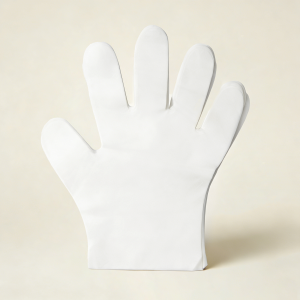
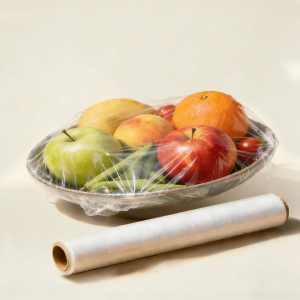
Advantages of Compostable film

- BPI/DIN Certified Compostable
Compostable degradation tests with international approvals (e.g. EN13432, ASTM D6400).
- FDA Compliant Food Safe
BPA free, PFAS free and other harmful substances free.
- Excellent Tensile and Load Bearing
Passed tensile and drop test.
- Flexibility in Customisation
A wide range of customisation options such as size, colour, logo printing, etc. are available.
Comparison of Materials
Comparison of fully compostable materials and ordinary plastics to let you know more about our products.
| Criteria | Compostable Film | Traditional Plastic Film |
|---|---|---|
| Material Composition | Plant-based (PLA, PBAT, starch) or microbial polymers | Petroleum-based (LDPE, LLDPE, PP) |
| Biodegradability | ✅ Fully decomposes to CO₂+H₂O+biomass (3-6 months in industrial composting) | ❌ Persists 100+ years, fragments into microplastics |
| Certification Standards | EN 13432, ASTM D6400, OK Compost INDUSTRIAL | None (unless labeled “recyclable”) |
| Mechanical Strength | Lower tensile strength than plastic | High durability and puncture resistance |
| Heat Resistance | 🔥 Softens at 50-60°C (PLA-based) | 🌡️ Stable up to 120°C (LDPE) |
| Barrier Properties | ⚠️ Moderate O₂/moisture barrier (varies by material) | ✅ Excellent moisture/oxygen barrier |
| End-of-Life Options | ♻️Home or Industrial composting | 🗑️ Landfill (91% unrecycled globally) |
| Environmental Impact | 🌱 Carbon-neutral if composted; marine-degradable in 6-12 months | 🏭 High carbon footprint; ocean pollution (11M tons/year) |
| Regulatory Status | ✅ Exempt from single-use plastic bans (EU SUPD, Canada SOR/2022-138) | ❌ Banned in 100+ jurisdictions for thin films |
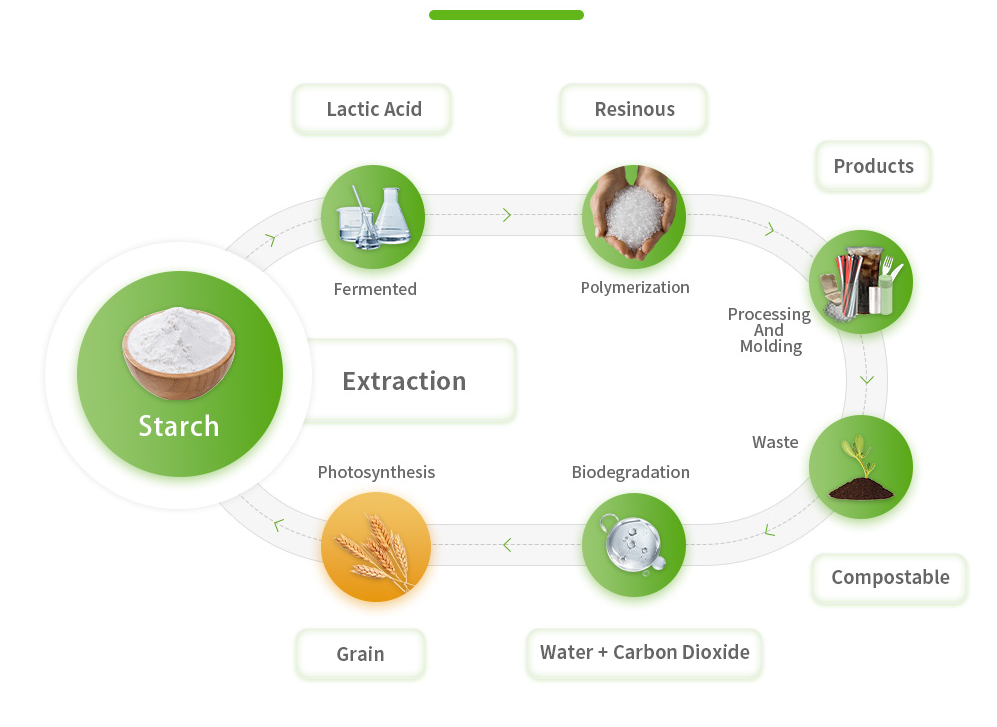
Life Cycle of Compostable Film
Fully compostable film rolls do not produce microplastics or other harmful substances from the beginning of the raw material to the completion of degradation. From nature, to nature.
Customizations
Provide a wide range of customised services to meet the diverse needs of customers.
Size and Thickness
Color and Printing
Packing and Quantity
Transparency
What Brands Did?
Similar compostable film rolls they used as ours.
“100% home-compostable in 6 months – just bury in your garden!”
Launch of PLA+PBAT composite cling film in 2023 to replace PVC cling film for packaging of organic fruits and vegetables.

Waitrose(UK)
Compostable Cling Film
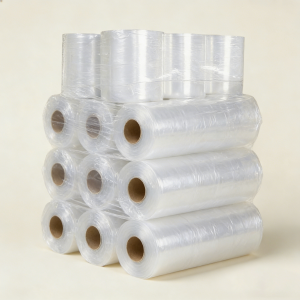
“Reduces plastic waste by 12 tons per warehouse annually.“
PLA+starch based wrap-around film for EU warehouses up to 25kg/layer (preheating to 50°C to activate adhesion).
IKEA (Global Logistics)
Compost able Stretch Film
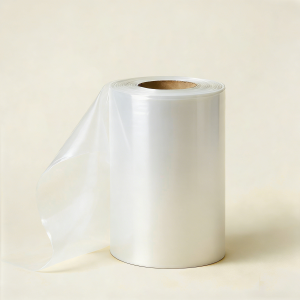
“Marine-safe – dissolves in seawater within 3 months.”
Skincare packaging is made of PHA film (seaweed extract) to showcase the products and meet the Zero Plastic commitment.
Lush (Cosmetics)
Compostable High-Clarity Film
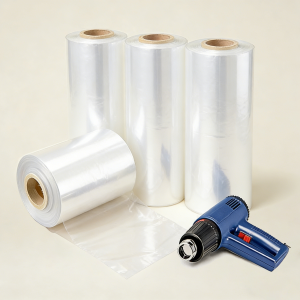
Juice bottle labels change to PLA heat-shrinkable film, shrinking temperature only 70 ° C (traditional PVC needs 120 ° C), energy saving 30%.

Innocent Drinks(EU)
Compostable Shrink Film
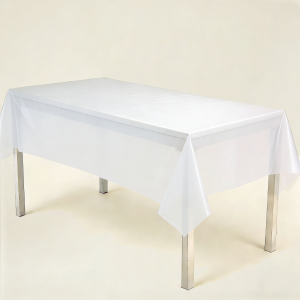
“Zero-waste weddings start with our tablecloths.”
Wedding reception use Sugarcane pulp + PLA coated tablecloths, waterproof for 4 hours and composted straight after the party.

Marriott Hotels (Global Events)
Compostable Tablecloth
“Gloves go in compost bins, not trash!”
The restaurant’s back-of-house kitchen switched to PLA gloves, which are heat-resistant up to 60°C and cost 20% less than bamboo fibre.
Chipotle (USA)
Compostable Gloves
Common Questions
Can compostable cling film be used in microwaves?
Safe for short heating (≤1 mins at medium power). Avoid direct contact with oily foods.How much weight can compostable stretch film hold?
25μm PLA/PBAT film: Up to 15kg per layer (ideal for light pallets). 30μm+ reinforced film: Holds 30kg+ (for industrial logistics).Do compostable shrink films require special equipment?
No, only need to adjust temperatures and speed of tunnels.Are compostable tablecloths oil/water resistant?
Yes, it is no problem.Can compostable gloves handle hot food?
Limited heat resistance:, better lower than 60℃(for salads, cold prep). Never use for frying or boiling!"
Global Government Policies on Compostable Straws
1. European Union (EU)
Regulatory Framework:
Governed by Single-Use Plastics Directive (SUPD 2019/904) and Packaging and Packaging Waste Regulation (PPWR 2024).
Key Requirements:
All compostable films (cling wrap, shrink films, table covers) must meet EN 13432 for industrial compostability.
Labeling: Mandatory “compostable” logo + disposal instructions (e.g., “Industrial composting only”).
Banned Applications: Non-compostable PVC/PVDC cling films (France AGEC Law).
Film-Specific Rules:
Shrink Films: Exempt if used for organic produce packaging (EU 2022/1616).
Table Covers: Must pass migration tests (EC 10/2011) for food contact.
2. United States
Federal & State Policies:
No nationwide ban, but state-level mandates:
California (SB 54): Requires all plastic films (including gloves) to be 100% compostable or recyclable by 2032.
New York: Bans non-compostable shrink films for retail packaging (2025).
Certification: ASTM D6400 (industrial) or BPI certification required.
Industry Standards:
Food Wrap: FDA 21 CFR for food-contact safety.
Agricultural Films: USDA BioPreferred Program prioritizes compostable mulch films.
3. Canada
Regulations:
Single-Use Plastics Prohibition (SOR/2022-138): Bans conventional plastic films; compostable alternatives must meet CAN/BNQ 0017-088.
Provincial Rules:
British Columbia: Compostable gloves/table covers mandatory for foodservice.
Quebec: Tax incentives for compostable shrink films.
4. Asia-Pacific
China:
Plastic Ban 2020-2025: Phases out non-degradable cling films in supermarkets; GB/T 38082 compliance required.
High-Clarity Films: Must pass QB/T 4012-2020 transparency tests.
Australia/New Zealand:
National Packaging Targets 2025: Compostable films must meet AS 4736 (industrial) or AS 5810 (home).
Exceptions: PVC stretch films allowed for industrial pallet wrapping.
India:
Plastic Waste Rules 2022: Exempts compostable films certified under ISO 17088.
Enforcement Challenges: Lack of composting infrastructure limits adoption.
5. Latin America
Chile:
Single-Use Plastics Law (2021): Bans plastic table covers; compostable alternatives must be ISO 18606 certified.
Brazil:
São Paulo Law 17.110: Mandates compostable food-service gloves by 2025.