
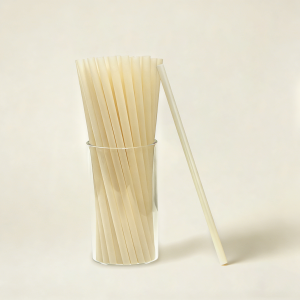
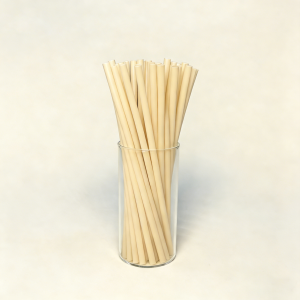

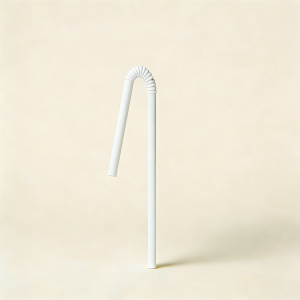
About Compostable Straws

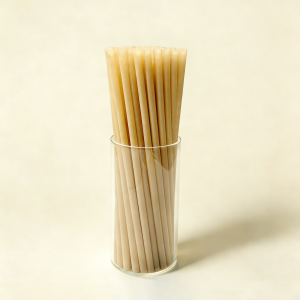
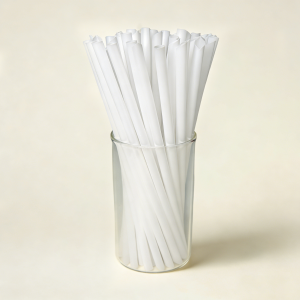
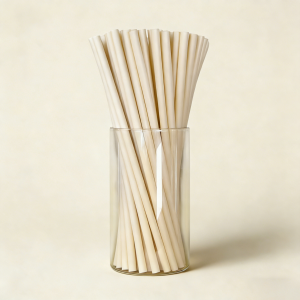
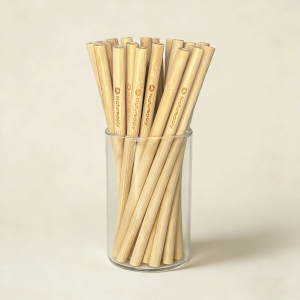
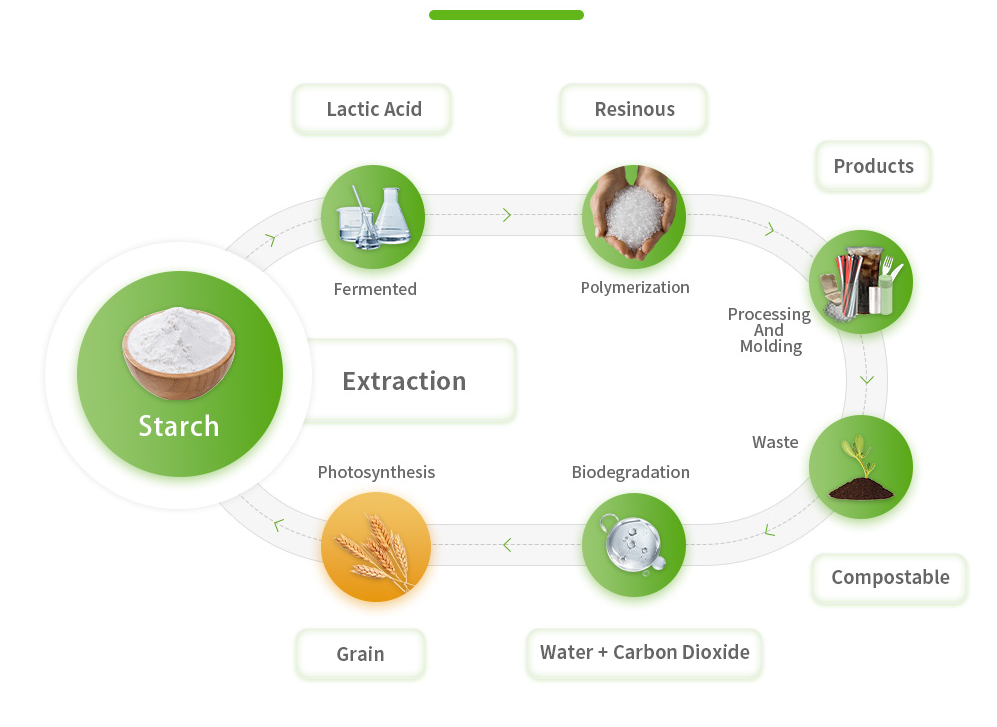
Fully compostable straws are made of biomaterials and plant raw materials, which completely decompose into water and carbon dioxide in 3-6 months under industrial composting conditions.

Our straws have strictly passed the EN13432/ASTM D6400 international degradation certification, with no micro-plastic residues throughout the whole process from raw materials to waste.

Looking For Greener Straws?

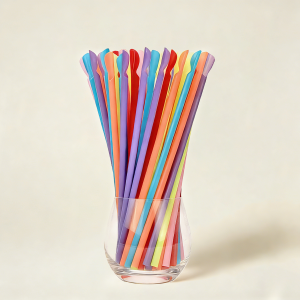
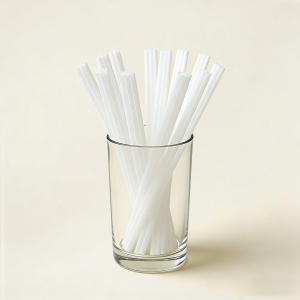
There are a variety of composatble drinking straws to choose from, including different materials and different styles.

Advantages of Composting Straw

Composting straw

Compostable degradation tests with international approvals (e.g. EN13432, ASTM D6400).

BPA free, PFAS free and other harmful substances free.

Maintain hardness in liquids for 24 hours without softening,

A wide range of customisation options such as size, colour, logo printing, etc. are available.

60-80% less carbon emissions compared to plastic straws.

Comparison of Materials

Comparison of fully compostable materials and ordinary plastics to let you know more about our products.

Factor

Ordinary Plastic Straw🚫

Compostable Straws

Raw material

Petroleum-based polymers (PP/PE)

Bagasse/cornstarch/bamboo fibre

Degradability

❌500 years without degradation

🌱3-24 months complete decomposition

Decomposition products

Microplastic particles + toxic gases

Water + carbon dioxide + organic fertiliser

Certification standards

No environmental certification

Dual certification EN13432/ASTM D6400

Suitability for hot drinks

Resistant to 100°C but releasing plasticisers

Resistant to 60℃-100℃without risk

Cold drink durability

Soak for 24 hours without deformation

Soak for 24 hours without deformation

Policy Trends

Banned in 56 countries globally and become more

Recommended alternative under more countries

industrial vs home composting

Life Cycle of Compostable Straws

Fully compostable drinking straws do not produce microplastics or other harmful substances from the beginning of the raw material to the completion of degradation. From nature, to nature.

Customizations

Provide a wide range of customised services to meet the diverse needs of customers.

Size

Color and Printing

Packing and Quantity

Heat-resistance

What Clients Say?

Naturepoly's compostable cocktail straws have been a game-changer. Their heat-resistant durability withstands our high-volume operations beautifully, while the earthy tones complement our aesthetic seamlessly.

Guests consistently praise the premium feel – proof that sustainability and luxury coexist. Your team's exemplary service makes partnership effortless. An industry benchmark worth endorsing!

Amara
General Manager
As a procurement specialist, I wholeheartedly endorse Naturepoly's compostable boba straws. Their outstanding durability and certified biodegradability meet rigorous commercial demands, while the elegant design elevates client presentations.

Responsive logistics support and compliance-ready documentation make sourcing seamless. A trusted partner for businesses prioritizing sustainability without sacrificing quality or reliability. Highly recommended.

Charles
Purchasing Manager
I am a co-founder building an eco-conscious brand. Naturepoly's plant-based straws truely impressed me. Their sleek sustainable design perfectly aligned with our ethos while exceeding durability expectations.

The responsive team ensured seamless bulk customization for our private label - a true partnership that's elevated our offerings. Clients adore both the quality and mission.

Elizabeth
Co-Founder

Common Questions

  • What are compostable straws made of?

    There are several formulas, and all of them are fully compostable. Main material is PLA, sugarcane, bamboo fiber, coffee grounds. Now, we are developping PHA straw,
  • Except BPI compostable straw, what else certifications do you have?

    Except BPI, we have DIN certco, FDA, PROP 65.
  • What is your production capacity?

    Our factory is in Zhejiang Province, with a dozen production lines, which can produce 400 million bare tubes per month. Five printing machines, six paper packing machines, two tube bending machines.
  • How long does it take for a straw to fully degrade?

    With certain strains of bacteria, at a temperature of 60°C and a relative humidity of 70 %, 90 % of the organic fraction degrades to water and carbon dioxide in 180 days under industrial composting conditions. Under home composting conditions at room temperature, 90 % of the organic fraction degrades to water and carbon dioxide in 360 days.

Global Government Policies on Compostable Straws

Governments worldwide are increasingly adopting policies to phase out single-use plastics, with compostable straws emerging as a leading alternative. 

Made from plant-based materials like PLA, sugarcane fiber, or bamboo fiber. Compostable drinking straws break down into water and carbon dioxide within 3-6 months under industrial composting conditions. 

This article explores how different countries regulate composting straws and promote eco-friendly alternatives.


1. Europe: Strict Bans & Certification Standards

The European Union’s Single-Use Plastics Directive (2019/904) mandates a ban on plastic straws, pushing businesses toward certified compostable straws that meet EN13432 standards.

Countries like Germany and France require compostable drinking straws to bear clear labeling, ensuring proper disposal in industrial composting facilities.


2. United States: State-Level Regulations

While the U.S. lacks a federal ban, states like California and New York have prohibited plastic straws, encouraging plant-based compostable straws instead. The ASTM D6400 certification ensures these straws meet compostability criteria. 

Major cities like Seattle and San Francisco even incentivize restaurants to switch to composting straws through tax breaks.


3. Canada: Nationwide Plastic Ban

Canada’s Single-Use Plastics Prohibition Regulations (2022) include plastic straws, with exemptions for medical needs. The government promotes home-compostable straws that decompose without industrial facilities, aligning with its Zero Plastic Waste 2030 goal.


4. Australia & New Zealand: Voluntary Phase-Outs

Australia encourages businesses to adopt biodegradable drinking straws through voluntary programs, while New Zealand’s Plastics Innovation Fund supports startups developing marine-degradable straws. 

Both nations emphasize OK Compost certification for authenticity.


5. Asia: Growing Adoption with Challenges

  • Japan & South Korea mandate compostable straws in major chains like Starbucks.

  • India’s Plastic Waste Management Rules target single-use plastics, though industrial composting infrastructure remains limited.

  • Thailand bans plastic straws in national parks, favoring sugarcane fiber straws.

Scroll to Top

Let’s Talk
Compostable
Packaging

Tell us your requirements - our specialists will reply with pricing and samples within 12 hours.

20+ Years
Experience
DIN & BPI
Certified
One-Stop
Solutions
Overseas
Production Facility

Get the brochure

Fill out the form below, and we will be in touch shortly.