
PRODUCTS
This is a dream land where you can find any compostable packaging products and information related to it.

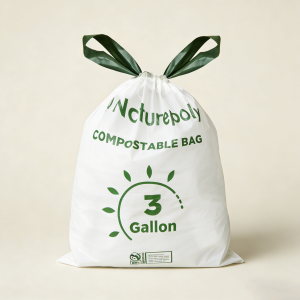
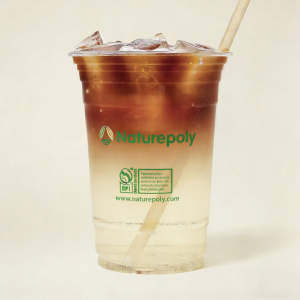

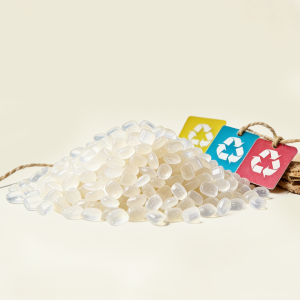
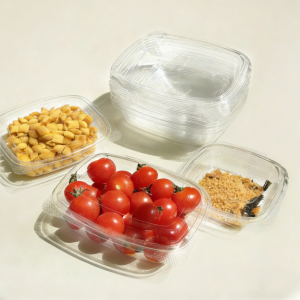
Biodegradable VS Compostable
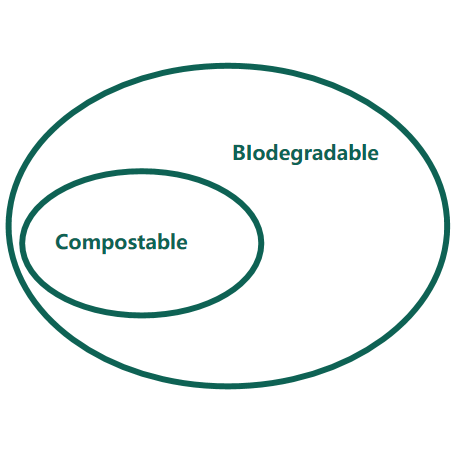
What is difference?
“All compostable items are biodegradable, but not all biodegradable products are compostable.” ——— Audrey Stanton
Unlike biodegradables, a compostable grocery bag will turn into organic matter or humus. No plastics or chemicals are left behind. ———— Kathryn
COMPOSATBLE | BIODEGRADABLE | |
Degradation time | 180 days-5 years | 5 days- 0ver 500 years |
Degradation environment | need human intervention | entirely natural process |
Raw material | plant based | plant based or petroleum based |
Final components | CO2, water and biomass | biomass, CO2, water, microplastic and etc. |
Do they have any similarity?
🍃 Most of final components are same.
🍃 Both of them can’t be recycled.
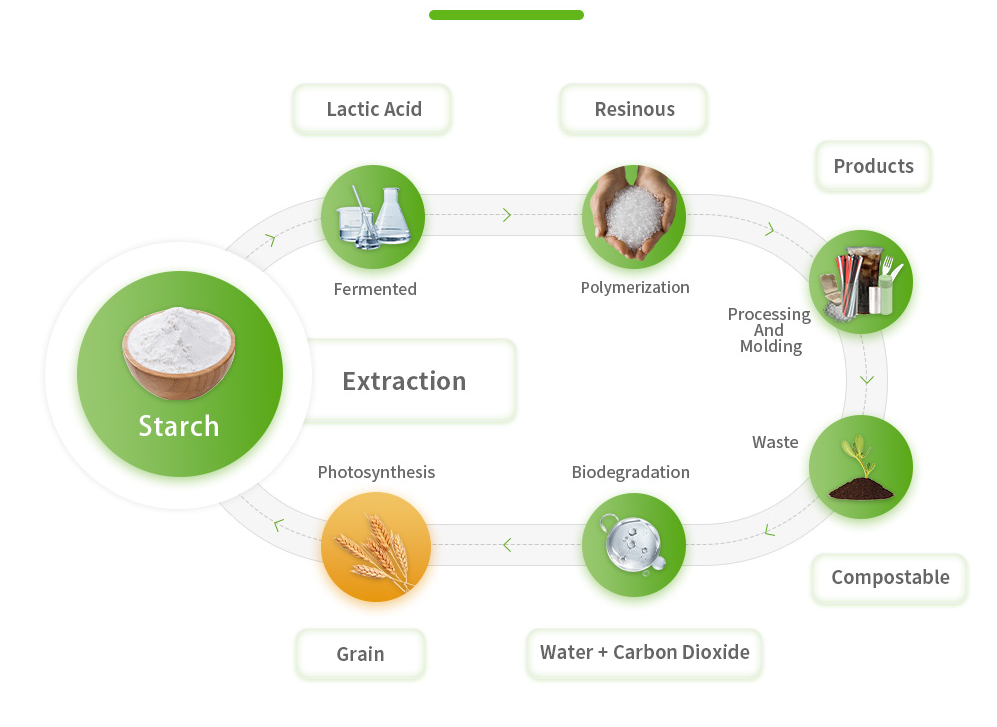
🍃 Both of them can be degraded.
🍃 Degradation conditions: water, light, oxygen and micro-organisms can decompose like bacteria or fungi.
Characteristic of Compostable Material
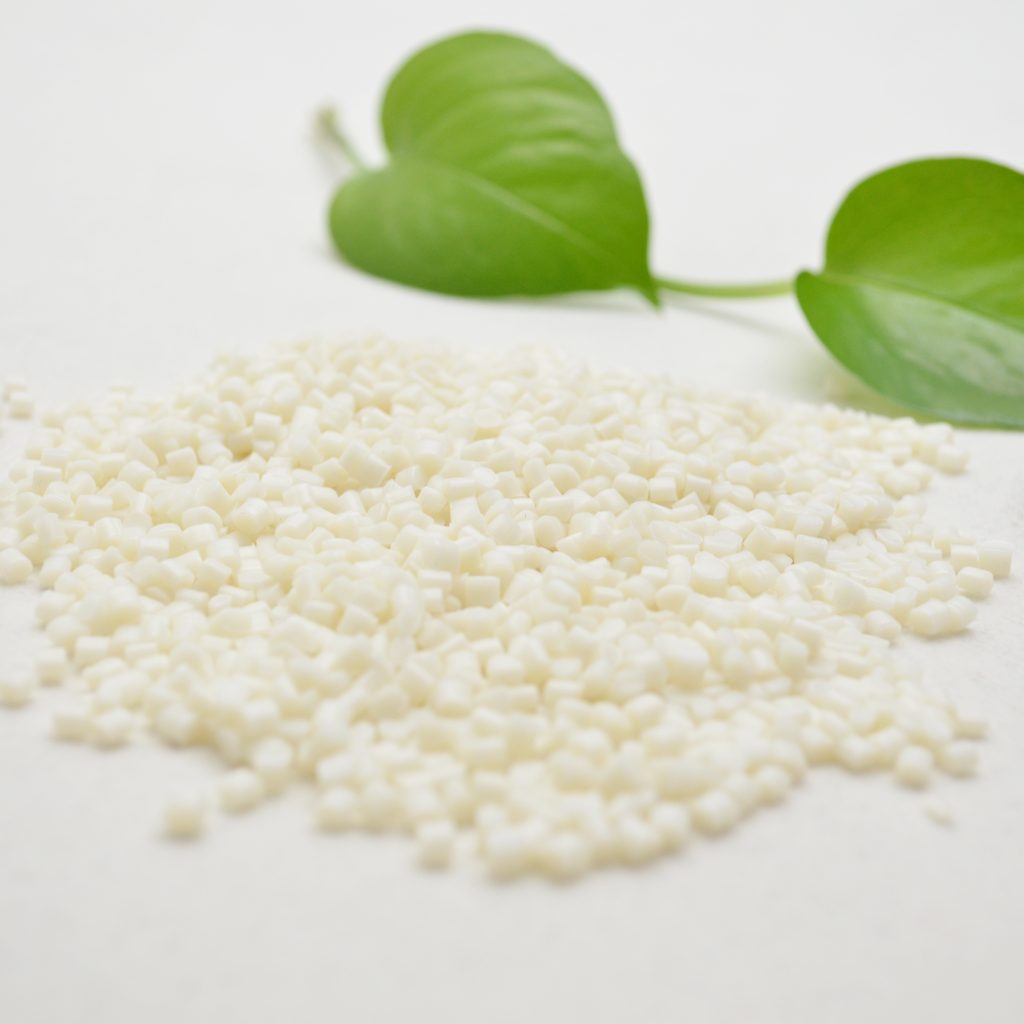
1.Biodegradability
Breaks down completely into water, CO₂, and biomass under specific conditions (e.g., industrial composting), leaving no toxic residues.
2. Renewable Raw Materials
Derived from plants (e.g., cornstarch, sugarcane) or microbial polymers, reducing reliance on fossil fuels.
3. Non-Toxicity
Releases no heavy metals or microplastics, safe for soil enrichment.
4. Versatility
Widely used in food packaging, cutlery, etc., as alternatives to conventional plastics.
5. Condition-Dependent
Requires industrial composting (50–60°C) for efficient breakdown; home composting may be ineffective.
Home and Commercial Composting
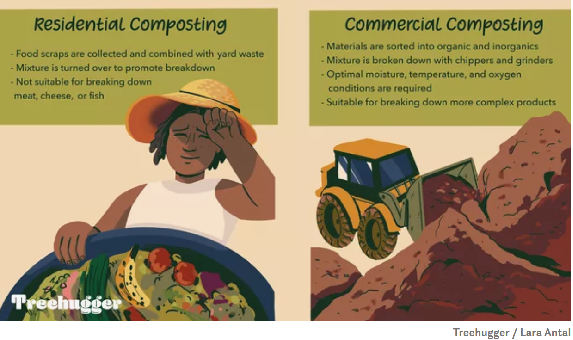
| Criteria | Home Composting | Industrial Composting |
|---|---|---|
| Temperature | Ambient (20–40°C), fluctuates naturally | Controlled high heat (50–60°C) |
| Timeframe | 6–24 months (slow, variable) | 3–6 months (optimized for efficiency) |
| Material Compatibility | Soft organics (food scraps, leaves); limited “home compostable” certified products | Robust materials (e.g., compostable packaging products, PLA films) meeting EN 13432/ASTM D6400 |
| Aeration & Moisture | Manual turning; dependent on user effort | Mechanically aerated and humidified |
| Output Quality | May contain residues; uneven decomposition | Homogeneous, pathogen-free compost (heavy metals <50 ppm) |
| Certification Standards | AS 5810, OK Compost HOME | EN 13432, OK Compost INDUSTRIAL |
| Infrastructure | Low-cost (backyard bins) | Large-scale facilities with energy inputs |
| Carbon Footprint | Negligible transport emissions | Emissions from collection/transport |
Shared Features
(1) Environmental Goals
Both methods divert organic waste from landfills, reducing methane emissions (landfills contribute to 16% of global methane).
(2) Microbial Action
Depend on bacteria/fungi to convert organic matter into humus, though industrial systems optimize microbial strains for efficiency.
(3) Certification
Require adherence to compostability standards (e.g., OK Compost HOME vs. OK Compost INDUSTRIAL) to ensure safety and performance.
Practical Implications
For compostable packaging products, industrial composting is essential for reliable breakdown, while home composting remains niche due to technical limitations. Policymakers must expand infrastructure to align with the $1.2 billion global compostable packaging market (2023 data).
Conclusion: While both methods reduce waste, industrial composting’s precision makes it critical for scaling circular economies.
Our Certifications
At Naturepoly, we take pride in our unwavering commitment to quality, innovation, and industry leadership. Our extensive portfolio of internationally recognized certifications—including [ISO 9001], [BPI], [DIN], [TUV], [FDA], and [Other Relevant Certifications]—reflects our dedication to operational excellence and customer trust.
But our pursuit of perfection doesn’t stop there. We actively invest in continuous improvement, regularly updating our certifications for coompostable packaging products to meet and exceed evolving global standards. Our in-house compliance team works closely with accredited bodies to ensure seamless recertification.
Each certification underscores our promise: delivering superior quality, today and tomorrow. Explore our credentials—because when you partner with us, you partner with proven excellence.
About Customize
At Naturepoly, certifications validate our standards—but customization defines our partnership. Beyond industry benchmarks, we specialize in tailoring solutions to your exact specifications, because your success deserves more than “one-size-fits-all.”
Why Our Custom Services Stand Out:
🔹 Precision Engineering – Leveraging our customized processes to adapt to your technical, regulatory, or design requirements.
🔹 Agile Collaboration – From prototype to production, our cross-functional team iterates with you at every milestone.
🔹 Future-Proof Flexibility – Scalable adjustments aligned with your market’s evolving demands.
Your challenges inspire our innovation. Let’s transform your vision into a certified reality.
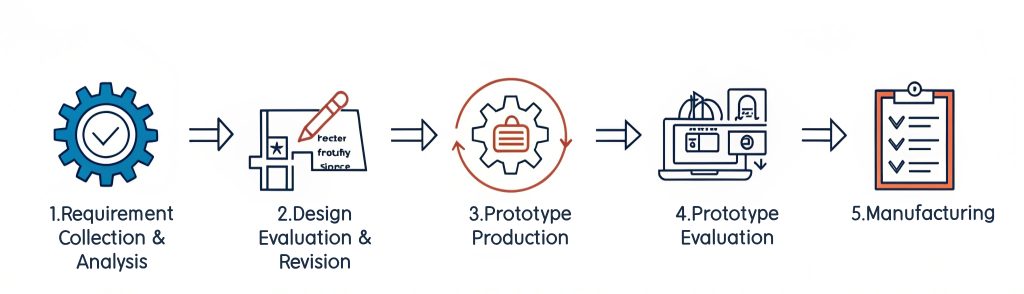
For new compostable packging products, we follow a rigorous 5-stage workflow designed to deliver excellence at every step—combining certified expertise with full customization capabilities:
Demand Analysis & Needs Assessment
Deep-dive consultations to align technical/regulatory requirements with your goals
Design Evaluation & Iteration
Joint review sessions with your team for real-time adjustments
Prototype Development
Material traceability from sourced components to finished sample
Comprehensive Sample Validation
Develop feedback loop to optimize mass production efficiency
Manufacturing
Continuous process audits to maintain customization integrity