
Plastic packaging has become one of the biggest contributors to global waste, with millions of tons ending up in landfills and oceans every year. From grocery bags to food containers, single-use plastics not only pollute the environment but also take centuries to decompose. As businesses and consumers become more eco-conscious, the demand for sustainable alternatives is rapidly increasing.
So, what is compostable packaging? Compostable packaging is made from plant-based or biodegradable materials that break down naturally into non-toxic components, such as water, carbon dioxide, and biomass, under composting conditions. Unlike traditional plastics, these materials reduce environmental impact and support a circular economy.
This guide is for businesses, food brands, and eco-conscious individuals who want to make the switch to sustainable packaging without compromising quality or functionality. If you’re looking for inspiring compostable packaging examples, you’ve come to the right place — we’ve compiled 9+ innovative products that are not only practical but also certified compostable.
In fact, the compostable packaging industry is growing rapidly, with some estimates projecting a double-digit annual growth over the next five years as more companies adopt eco-friendly solutions.
What Is Compostable Packaging?

Definition & Benefits
Compostable packaging is a type of packaging made from plant-based or biodegradable materials that naturally break down into non-toxic components, such as water, carbon dioxide, and biomass, under the right composting conditions. Unlike conventional plastic, which can take hundreds of years to decompose, compostable packaging supports a circular economy, reduces environmental pollution, and helps combat the growing problem of landfill waste.
The benefits of compostable packaging go beyond environmental impact. It helps businesses demonstrate sustainability, meet consumer demand for eco-friendly products, and reduce their carbon footprint. From grocery stores to food delivery services, switching to compostable packaging can make a measurable difference in reducing plastic pollution.
Materials Used in Compostable Packaging Examples
Compostable packaging can be made from a variety of materials, including:
- PBAT (Polybutylene Adipate Terephthalate): Flexible, durable, and often used for bags and films.
- PLA (Polylactic Acid): Derived from corn starch or sugarcane, commonly used for straws, cutlery, cups, containers, and films.
- Sugarcane / Bagasse: A fibrous byproduct of sugarcane, ideal for trays, bags, and cups.
- Paper Coatings: Paper coated with PLA for moisture resistance while remaining compostable.
These materials vary in home vs industrial compostability. While some may require industrial composting facilities, others like PHA or bagasse products can often be composted in home compost systems, depending on thickness and local composting conditions.
How to Dispose of Compostable Packaging

A common question is: can you put compostable packaging in food waste?
The answer depends on the type of compostable material and your local waste system:
- Home Composting: Suitable for PHA, paper-based packaging, and bagasse products. Decomposition may take several months.
- Industrial Composting: Required for thicker PBAT films, heat-shrink films, and some PLA containers. Decompose faster in controlled conditions (~90–180 days).
- Landfill: While compostable packaging will degrade eventually, landfills are not ideal because limited oxygen slows decomposition and may produce methane.
Proper disposal ensures that compostable packaging fulfills its environmental promise, turning into nutrient-rich compost rather than lingering as waste.
+9 Innovative Compostable Packaging Examples
When it comes to sustainable alternatives, businesses and eco-conscious consumers are always searching for real-world compostable packaging examples that are functional, eco-friendly, and visually appealing. From films and bags to containers and mailers, there are many innovative solutions that can replace traditional plastics. Here, we’ve compiled 9 inspiring compostable packaging ideas from Naturepoly that showcase the best of plant-based, biodegradable materials while meeting practical needs across retail, food, and e-commerce.
1. Compostable Produce Bags

One of the most practical compostable packaging examples is produce bags made from PBAT, a biodegradable polymer that is strong, flexible, and breathable. These bags are specifically designed to extend the shelf life of fruits and vegetables while reducing moisture accumulation, making them ideal for grocery stores, supermarkets, and farmers’ markets. Their transparency allows customers to easily see the contents, and their lightweight construction ensures they are easy to handle and transport.
Not only do these bags protect food, but they also help businesses reduce plastic waste and demonstrate their commitment to sustainability. They break down naturally, returning to the soil without leaving harmful residues. With the option to print branding or product information directly on the bag, companies can create an eco-conscious, professional look that appeals to environmentally-minded consumers.
Explore Compostable Produce Bags
2. Compostable Zipper Bags

Another innovative solution in the realm of compostable packaging ideas is the re-sealable zipper bag. These fully compostable, durable bags are perfect for storing food, packaging retail samples, or keeping products organized. Their resealable feature ensures freshness, making them practical for consumers while also reducing the need for single-use plastic alternatives.
These bags are designed to handle daily use without tearing or losing their integrity. They are also fully compatible with branding, allowing businesses to print logos, nutritional information, or promotional designs directly onto the bag. As a result, companies can maintain brand visibility while committing to sustainability.
With certifications for industrial and home composting, these zipper bags are an excellent example of how eco-friendly packaging solutions can combine functionality, durability, and environmental responsibility.
Explore Compostable Zipper Bags
3. PLA-Coated Paper Rolls

PLA-coated paper rolls are a unique type of compostable packaging example that combines the natural, recyclable quality of paper with the moisture resistance of PLA bioplastic. This makes them ideal for bakery wraps, food service applications, and custom-printed packaging for products that require a premium, sustainable presentation.
The PLA coating allows the paper to resist grease and moisture without compromising its eco-friendly properties, making it perfect for sandwiches, pastries, and other perishable goods. Businesses can print directly onto the paper, offering both branding opportunities and functional packaging solutions.
Additionally, PLA-coated paper rolls are suitable for industrial composting, depending on thickness, making them versatile for multiple disposal options. By replacing traditional waxed or plastic-coated papers, these rolls reduce landfill waste and provide a practical, sustainable alternative that appeals to eco-conscious consumers.
Explore PLA-Coated Paper Rolls
4. Heat-Shrink Film (PLA)

Heat-shrink film made from PLA is a transparent, flexible film that shrinks tightly around products when exposed to heat. It’s one of the most versatile compostable packaging examples available, providing excellent protection for items like bottled beverages, cosmetics, and packaged foods.
PLA heat-shrink film is strong, durable, and fully compostable in industrial facilities, allowing businesses to create eco-friendly, professional packaging without sacrificing quality or functionality. It’s ideal for labeling or creating tamper-proof seals, while also reducing the use of traditional petroleum-based plastics.
The film’s clear finish provides high visibility for products, making it both practical and visually appealing. With growing consumer awareness of sustainability, heat-shrink PLA film offers a premium, environmentally-conscious packaging solution for modern brands.
5. Compostable Packaging Films

Compostable packaging films made from PLA or PBAT are flexible, lightweight, and fully biodegradable, making them one of the most practical compostable packaging ideas for food and retail products. These films are commonly used for flow-packs, wrapping snacks, or providing protective layers around products during transportation.
The strength and flexibility of PLA and PBAT films ensure that items remain secure and fresh, while their compostable nature minimizes environmental impact. They can also be customized with printing for branding purposes, allowing companies to combine sustainability with marketing.
These films break down naturally in industrial composting facilities, reducing plastic waste and supporting a circular economy. They are perfect for businesses looking to transition from conventional plastic films to eco-friendly alternatives.
Explore Compostable Packaging Films
6. Compostable Shopping Bags

Compostable shopping bags are a durable, certified alternative to conventional plastic bags. Made from plant-based materials, they are perfect for retail, grocery stores, boutiques, or any business looking to offer an eco-conscious shopping experience.
These bags combine strength and sustainability, holding heavier items without tearing while remaining fully compostable at the end of their life cycle. They can also be custom printed, allowing businesses to maintain brand identity while supporting environmental responsibility.
By replacing single-use plastic bags with certified compostable alternatives, companies can reduce their environmental footprint and appeal to the growing number of eco-conscious consumers.
Explore Compostable Shopping Bags
7. Compostable Mailing Bags

Lightweight yet strong, compostable mailing bags are designed for e-commerce shipping while reducing reliance on single-use plastics. These bags are fully compostable, providing a sustainable solution for businesses that ship products regularly.
They offer durability for protecting products during transit and are suitable for a variety of items, from clothing and accessories to small food packages. By switching to compostable mailing bags, companies demonstrate sustainability and innovation, which resonates strongly with environmentally-conscious customers.
With options for custom printing and branding, these bags also provide a professional, eco-friendly alternative for modern retail and logistics.
Explore Compostable Mailing Bags
8. PLA Hinged Food Containers
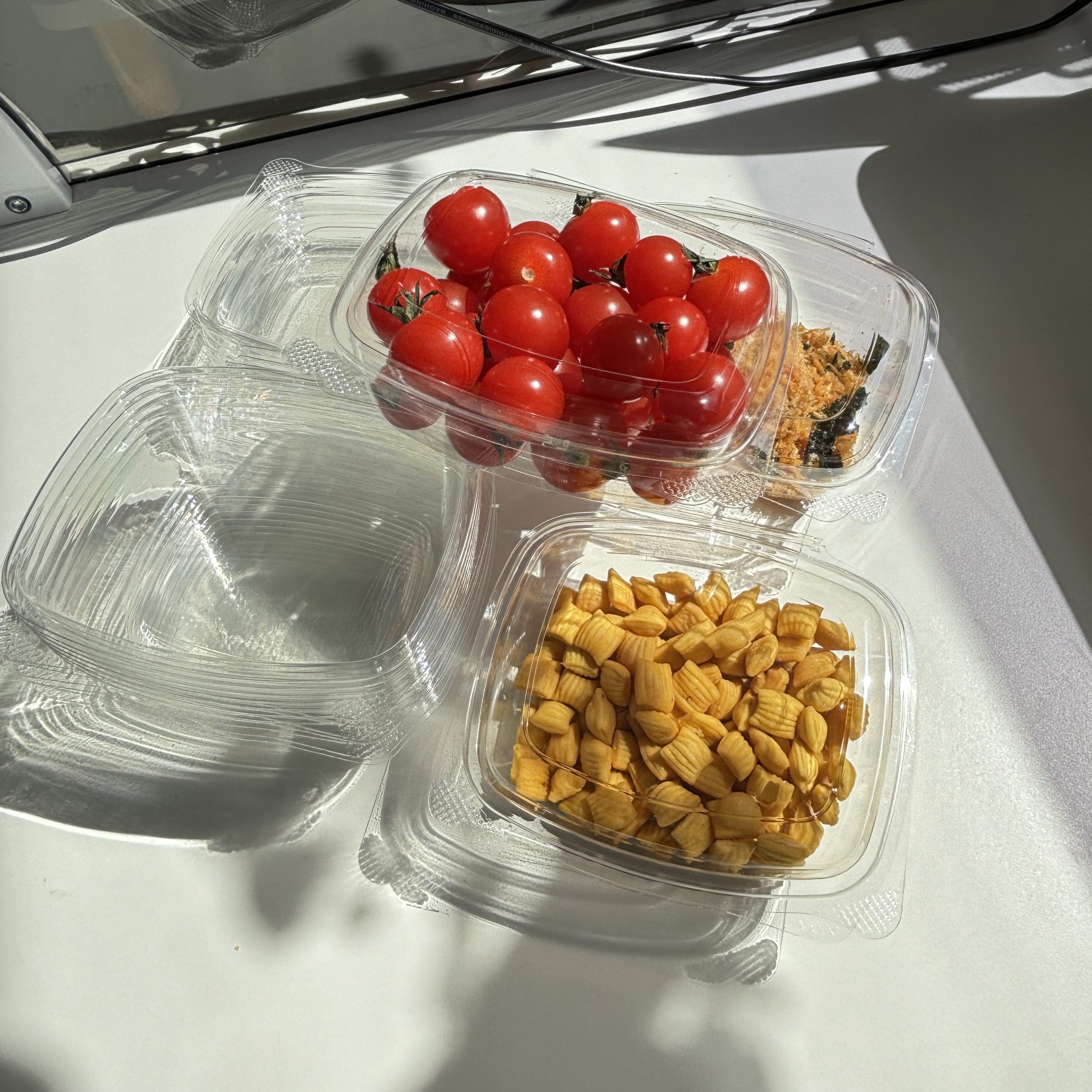
PLA hinged food containers are durable, food-safe, and fully compostable, making them a practical choice for takeout, meal prep, and delivery services. These containers maintain the quality of food while offering a sustainable alternative to conventional plastic containers.
They are resistant to moisture and grease, making them suitable for a variety of meals. Businesses can use them to enhance their eco-friendly image, appealing to consumers who prioritize sustainability in food packaging.
By using PLA hinged containers, restaurants and food service providers can reduce plastic waste and provide a responsible disposal option for consumers.
Explore PLA Hinged Food Containers
9. CPLA Take-Out Container Lids

CPLA take-out container lids are designed to pair with PLA or other compostable food containers, offering secure, eco-friendly closure options. These lids are perfect for restaurants, cafes, and food delivery services that want to maintain the quality and freshness of food while using sustainable packaging solutions.
Made from certified compostable materials, CPLA lids are heat-resistant and durable, ensuring food safety during transport. They break down naturally in industrial composting facilities, reducing environmental impact compared to traditional plastic lids.
Using these lids alongside compostable containers completes a fully sustainable packaging solution, demonstrating a business’s commitment to eco-conscious practices.
Explore CPLA Take-Out Container Lids
Compostable Packaging Examples: Honorable Mentions
Compostable Straws

While straws aren’t typically considered part of standard packaging, they play a key supporting role in the food and beverage industry. Compostable straws—especially those made from PLA or plant fiber—are excellent accessories for brands aiming to reduce single-use plastic across their entire service chain. These straws are durable, heat-resistant, and fully compostable, making them a perfect match for cafes, restaurants, bubble tea shops, and event venues seeking more eco-friendly alternatives.
As accessories rather than core packaging, compostable straws complement other compostable packaging examples by maintaining sustainability from drinkware to takeout. They also offer a smooth, high-quality drinking experience without the mushy texture associated with paper straws.
PLA Cups

PLA cold cups are another eco-friendly addition worth mentioning. While they are not “packaging” in the traditional sense, they serve the same purpose: containing, protecting, and transporting beverages. Made from plant-based PLA, these cups are clear, strong, and suitable for industrial composting, because of regional regulations.
They are widely used for iced coffees, juices, smoothies, bubble tea, and more—making them a popular choice for cafes and beverage brands that want to transition away from petroleum-based plastics. PLA cups pair perfectly with compostable straws and lids, helping businesses create a fully sustainable beverage experience.
How to Choose the Right Compostable Packaging
Selecting the right eco-friendly materials can make a huge difference in performance, brand perception, and sustainability. When evaluating compostable packaging examples, it’s important to consider certifications, intended use, and whether the packaging will be disposed of through home or industrial composting. Here’s what businesses and brands should look for.
Certifications to Look For (BPI, TUV, ASTM, EN13432)
Not all compostable packaging is created equal, and certifications are the easiest way to ensure the product meets global compostability standards.
BPI Certification (U.S.) confirms the packaging will break down in industrial composting environments without leaving toxic residues.
TÜV Austria certifications—such as “OK Compost Home” and “OK Compost Industrial”—indicate whether a product can compost in a backyard pile or requires higher heat conditions.
ASTM D6400 is a U.S. standard for compostability, ensuring the material biodegrades within controlled composting systems.
EN13432 is the leading European certification for industrial compostable packaging, guaranteeing full biodegradation and non-toxicity.
When choosing compostable packaging, always check for at least one of these certifications to ensure authenticity and compliance with global sustainability expectations.
Considerations for Food Packaging (Shelf-Life, Breathability, Heat Resistance)
Food packaging has unique requirements, so selecting the right compostable materials depends on the type of food you’re protecting.
Shelf-Life:
Materials like PBAT and PLA can help maintain freshness, especially for produce, baked goods, and dry snacks. Breathable bags can reduce moisture buildup and extend shelf-life naturally.
Breathability:
Fresh fruits and vegetables benefit from PBAT-based bags that allow controlled airflow while preventing condensation.
Heat Resistance:
For hot or high-temperature foods, look for CPLA materials that can withstand elevated temperatures without deforming.
Grease & Moisture Control:
PLA-coated paper is ideal for oily, moist, or bakery items, offering protection without plastic lining.
Understanding these considerations helps businesses select packaging that maintains food quality while reducing environmental impact.
Home vs. Industrial Composting
One of the most important choices when selecting compostable packaging is knowing whether the material is suitable for home composting or requires an industrial composting facility.
Home Compostable:
– Breaks down in low-temperature backyard compost systems.
– Ideal for consumers in regions without access to industrial composting.
– Must carry labels like “OK Compost Home” to ensure proper decomposition.
Industrial Compostable:
– Requires high heat, controlled humidity, and microbial activity found in industrial facilities.
– Breaks down faster but can’t fully decompose in home compost piles.
– Typically labeled with BPI, EN13432, or OK Compost Industrial certifications.
Choosing the correct type helps prevent contamination in waste streams and ensures the packaging actually decomposes as intended.
The Future Has Many Compostable Packaging Examples

As businesses and consumers continue to shift toward sustainability, choosing the right eco-friendly materials becomes more important than ever. The compostable packaging examples highlighted in this guide show how innovative, functional, and practical these solutions can be across industries—from food service to retail to e-commerce. By understanding the materials, certifications, and proper disposal methods, brands can confidently transition away from traditional plastics and embrace packaging that’s better for the planet.
Naturepoly offers a full range of certified compostable packaging options designed to help businesses reduce waste while delivering high performance and beautiful presentation. Whether you’re looking for bags, films, containers, or accessories, there’s a compostable solution that fits your needs.
Explore Naturepoly’s range of certified compostable packaging products today and make your business more sustainable.